Nutrition tips
Nutrition tips
Elaine Good · Nutrition coach in Los Angeles, California
INTERVIEW FOR Today’s Dietitian
Name: Elaine Good, Certified Nutrition Coach and Organic gluten-dairy-sugar free Personal Chef: I use as little sodium as possible. I equate sodium with inflammation, with pain. Inflammation is the body’s way of telling us that there is a crisis that needs our attention. From a bump to a strained muscle, from an infection to arthritis to an insect bite to bloated intestines inflammation is the flag that gets your attention and slows you down because something’s wrong, something’s off. As I cook for people on special diets that are recommended by their dieticians and doctors I execute delicious meals that taste better than their counterparts when placed on a buffet, and I never salt food before, during or after cooking, I do occasionally salt cooking water because some over processed food has no flavor without salt, like pasta (gluten free for me).
Interview Questions
Sodium and Heart Health
Please summarize what recent research has shown regarding the link between sodium intake and heart health. What’s the takeaway message for what RDs should be telling clients about sodium intake? My understanding is that the most important element in good health is balance: beginning with the balance of sodium and potassium. Unfortunately, our diet consisting of whole foods has been interrupted by mass produced packaged foods and even more unfortunately we have become a food culture where salt equates flavor. I believe that packaged baby food begins developing an unbalanced palate, which is fully developed by age 3, to a sweet and salty preference. I have focused my attention to introducing real food flavors to toddlers, which is consequently quite difficult. I have developed a series of cookbooks that will reassociate food with flavor and energy and educate children to a basic realization of the importance of food to their body. This series begins with raw and steamed food without seasonings so that the young palate and sensibility is accustomed to real food. The first book in this series is "Let's Play With Food - Celebrate the Seasons.” Followed by ‘Eye8 My Math Homework” which incorporates the practical application of math skills and helps children learn to read small groups of words that they are familiar with. These follow with “Devour Biology” where they learn what their body does with the food that they eat to create theri energy.
In general, please detail your current recommendations regarding sodium intake for patients I have found find with my clients that have high blood pressure or other sodium related health issues, that if I tell them salt makes them bloated and ugly they’re more likely to see the difference and they feel it’s more their choice to be beautiful than to deal with a health issue, which can evoke resentment and anger, which, in turn increases their blood pressure. (well, it’s sort of a joke, but I do live in LA).
In your view, who (or what type of client) should be watching their sodium intake? Is there any subset of the population that shouldn’t monitor or worry about their sodium consumption? We’re a food culture of highly salted packaged foods, I believe that unless you’re in a trench and don’t want to have sex...oh wait is saltpeter different? I have low blood pressure, a healthy heart and I can feel the bloat when I eat salty foods, and not the least of which is that I wake up looking like ET. When I watch TV chefs and when I’ve worked in commercial kitchens I am shocked at the amount of salt used in each step of the food prep and cooking and serving process. When you’re not used to eating highly salted food you come to realize how much salt is used to mask the flavor of inferior food products. When my six year old grandson, who only wanted to eat donuts and a certain clown themed fast food, told me that he doesn’t like the arched food corp. anymore because ‘it’s too salty’. That was a major turning point for me and proof that my ‘system’ of giving him real food when I see him, which was about 4 days a month, indeed worked. He’s 18 now and always chooses to eat healthier options, even when he’s out with his friends.
Cooking Tips 4. What are your best tips for how to flavor the following foods (ie, with herbs, spices, garlic, and other flavorings) to reduce the sodium: What grows together goes together. I have developed a line of powdered seasonings that I call Herblends that are ‘A Fusion of Ethnic Signature Flavors’ specifically because I couldn’t find spice blends that did not list salt or sugar as one of their first few ingredients. I developed these flavors because it was easier to have these basics when dealing with my staff, fresh herbs and additional spices are easily added as needed, but the basics pull the meal together and save me shelf space. I made them powdered because they can be used in every step in cooking: as a rub, marinade, add in, add on, topping, dip, salad dressing etc.
Proteins, such as chicken and fish: I season proteins with spices and herbs that correlate with the ethnic theme of the meal. My meals are dictated by the fresh produce that is peaking at the farmer’s market and is in season. So if I see lemongrass that looks fresh and young at the farmer’s market I might go Thai this week, I’ll look for Asian greens or use spinach, I’ll get chicken and fish and mix the meals up.
Vegetable dishes: Delicate flavored vegetables can be enhanced by delicate herbs: zucchini with tarragon or garlic infused olive oil will allow for the flavor of zucchini to still come through. Hate zucchini? Smother it with garlic. In fact, any vegetable that you hate can be made better with garlic. Heck, escargot proves that we will eat anything with enough butter and garlic, and potato chips prove that some foods are just carriers of salt.
Sides, such as rice and bean dishes, pilafs: I begin with the flavor of the oil, and I infuse my olive oils with lemons, garlic, blood orange which take a few weeks to macerate. I eat a lot of beans and I do ethnic bean dishes which dictate the seasonings, but tomato paste is a secret ingredient in my Latin bean dishes, and I add cinnamon (calming) to a lot of things, including my coffee.
Pasta dishes: I do cook pasta in salted water about half a tablespoon per pot, but I use gluten free pasta made with quinoa or rice or corn. I also make ricotta out of tofu, I use olives for a salt profile.
Soups/stews: I make chicken soup every week. I take an organic chicken and stuff a lemon into its cavity (or an onion or lime depending on the flavor profile of the week). I put it in the immersion cage of the pasta pot and fill the water just to the middle of the breast. I top it off with my powdered Herblends flavor, let’s say Heroccan, I add 2 cinnamon sticks, a handful of cilantro, a few cloves, 5 cardamom pods, 3 star anise. I close the lid and put on the timer for 50 minutes and lower the heat to keep a simmer. I add chunks of squash or carrots, chunks of onion, green beans, and cook for another 10 minutes. I take the internal temperature of the chicken, shut off the burner when it’s at 160 degrees. Then when I lift the chicken out of the pot, using the ‘cage’ that usually holds the pasta, I’m left with a big pot of clear, organic, flavorful chicken broth that is not low-sodium, it’s no-sodium and no one misses the salt!
Snacks (to make at home vs. high-sodium chips and crackers): I make corn chips and sprinkle on one of my Herspanic spice blends on them while they’re hot, same with baked potato fries and popcorn.
Other (please specify): Let me say that when you take the salt out of your mouth, you start to really taste the food that you’re eating. And may I remind you that if you’re in a raft in the middle of the sea you will die of dehydration (not sun exposure, not starvation) if you don’t have sweet water on board, that’s how bad too much salt is.
What about tips for creating lower-sodium versions of popular (typically high-fat, high-sodium) comfort foods, such as mac n cheese, French fries, etc? I infuse oils with herbs directly in the pan when sauteing. I also steam potatoes when I get the bag home, this is a short cut that makes meals happen very fast and minimizes the amount of oil they take in when going the next step in frying, sauteeing or baking them. AND added bonus, this chilling before recooking drops the starch in the potatoes without compromising the nutrients.
What are some strategies or tips for clients who might not be used to using herbs and spices but want to incorporate them into their cooking regimen? I became fascinated with the migration of spices into various cultures when I was just learning to cook. Cilantro in South America is Coriander in Asia. Oregano is throughout the Mediterranean and in South America. Basil is Italian but goes so well with tomatoes (that come from the New World) that you assume tomatoes are Italian too. Get into the basics first and expand from there. Get a cookbook of the type of food served at your favorite restaurant and look at the ingredients used for seasoning and you will see the ‘flavor profile’ that you like. If you only eat at steak houses, you’re hooked on salt. Drink lots of lemon in water to get your pallet back. Then start with garlic and then add rosemary in the pan when you pan fry the steak in a little olive oil.
What are some good staple herbs/spices that pair well with many foods? Again, think ethnic blends, I have developed: Hertaliana, Heroccan, Hercajun, Herspanic, Herspanic Smoky (for Tex Mex or Southwestern) and Herspanic Spicy. There are flavor profiles that can help you get started in my library on this website.
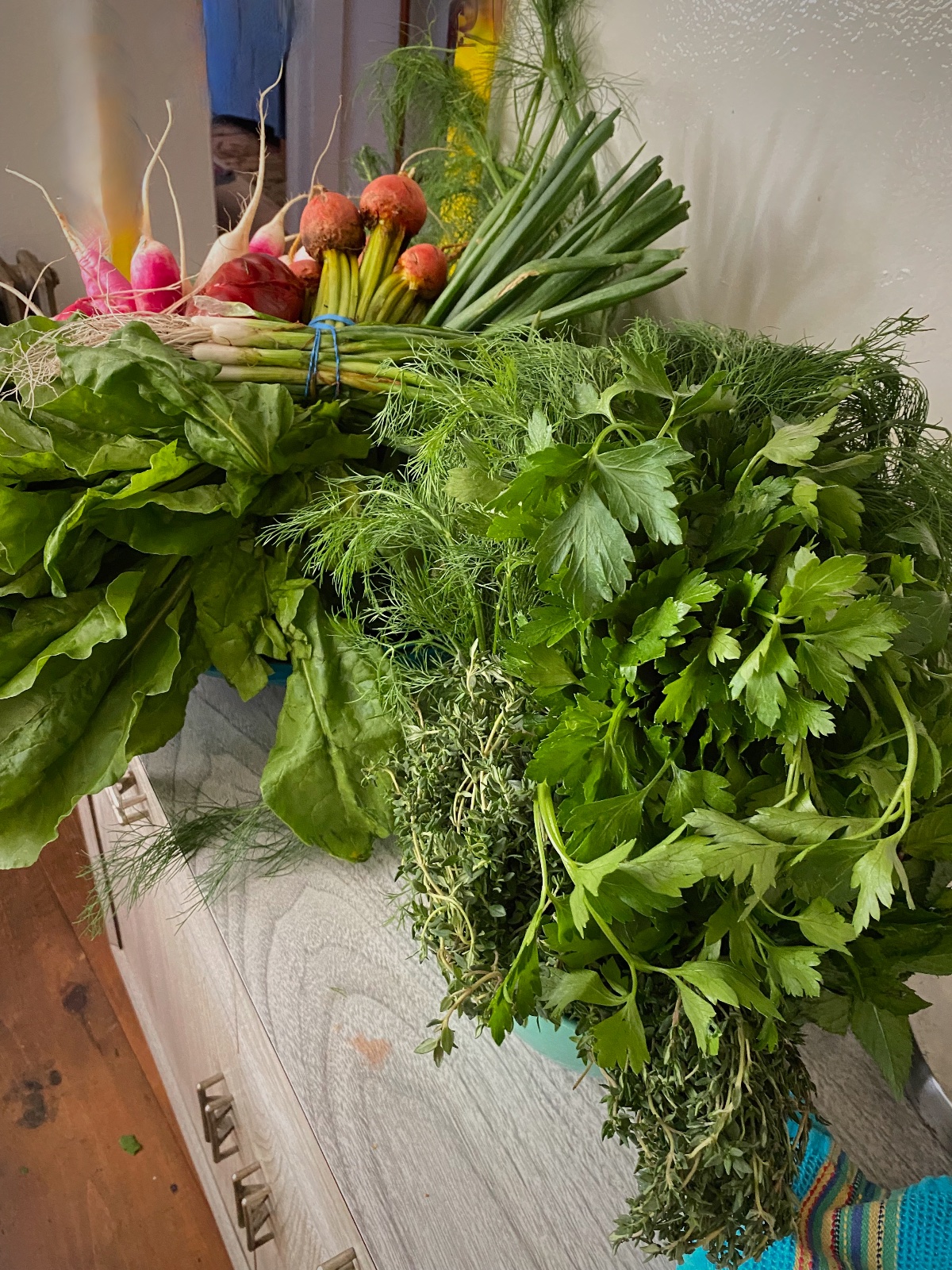
Do you recommend clients make their own spice mixes to best fit their own tastes? I give suggestions for add-ons and traditional vegetables and meal suggestions for the different ethnic flavorings. It’s pretty obvious that what grows together goes together. I'm lucky because I live in Southern California and everything is available fresh and in tender baby form as they weed-out the farms locally year round, but they now sell growing herbs that live on your refrigerator door~! .
Do clients on a low-sodium diet have to worry about sodium intake when it comes to dessert? (pre-made bakery items, processed packaged desserts vs. homemade) If so, what are the best ways to avoid sodium when looking for sweet items or baking desserts? I make desserts out of fruit most of the time, I find that if I eat 2 servings of fruit a day and healthy carbohydrates I really don’t miss the less nourishing evil temptations of those empty animal fat laced calories. That said, I make a mean ‘More s’more pie” using dark chocolate and marshmallows that I make with agave or honey (1 cup in place of the 3 cups of sugar the traditional recipe calls for). I even make it vegan, using an Asian gelatin made from seaweed.
All the recipes offered by Elaine Good in the Library are low sodium or salt-free.
About the coach
Elaine Good
Nutrition coach in Los Angeles, California
Eat right for strength, stamina and mental focus!
I offer Nutrition Coaching online, with support tailored to your life-style routine and the foods you enjoy. I help people create a healthy and satisfying way of eating that fits their nutritional needs with practical support for energy, sleep, digestion, and everyday food decisions. As a Chef and Certified Nutrition Coach, I bring food knowledge and coaching together with the pleasure of eating through my good2eat4U Program. I use scientifically proven knowledge to support your eating habit and balanced meal-timing which affects the brain and gut microbiome, hormones, and the resulting strong regeneration of healthy cells. My coaching brings your subconscious eating into conscious-eating utilizing the support you need which can include recipes, meal prep, restaurant menu guidance, shopping suggestions, macronutrient tracking, and a daily diary. We also use a digital scale, in the three month program, and a free app to review your body's data and make the plan concrete. This program establishes exactly what 'eating healthy' is for you, dictated by your body's response to the food that you eat.
Book a nutrition lesson with ElaineReady to put it into practice?
Book a nutrition lesson with Elaine in Los Angeles, California and get coaching built around your game.
Book a lesson with ElaineGet Started
Ready to improve your nutrition game? Browse Elaine's packages and book your first session today.
© 2026 Elaine Good. All rights reserved.
What are your recommendations for clients who like to eat out but want to keep their sodium intake low? You must tell the wait staff that you cannot eat salt and to please correct me if I order something that cannot be made without it. Think broiled, think steamed, think salad with oil and vinegar on the side, think requesting lemon wedges. Most commercial kitchens get their food from the same source that comes in pre-seasoned (highly salted) and wrapped so that it all goes into the oven at 400 ºF for 40 minutes. Ever notice how similar everybody’s food is? Whether it’s asparagus, mashed potatoes or prime rib: 40 minutes in a 400 degree oven.
Since a majority (estimated at 80%) of consumers’ sodium intake comes from processed and restaurant foods, is the real issue reading nutrition labels more carefully or simply incorporating more whole foods into one’s diet, where such high amounts of sodium don’t exist? Both, if they start reading labels the cold hard truth will start to register in their mind: what’s happened to our food supply is criminal. If you eat you should know how to cook food. How to shop, store, clean, cut, cook proteins and produce is foreign to several generations that went out with the Home Ec teachers. (If you remember what Home Economics is you probably have grandchildren). I teach workshops that cover all this information and I’m shocked at how ignorant we are about the food we eat. I think the disconnect is shocking. I want to take the mystery out of cooking. It is a life skill that teaches you how to know what you need, plan a meal around balanced nutrition with what is in season, execute said meal, enjoy the meal with people that you love and clean up to do it again three times a day. There is a reason that everything you eat depends on the natural greenery of the planet; every animal you eat eats produce of some kind from the ocean or the land. We are the stewards of this beautiful thriving planet and each other. Cooking is a microcosm of life. Get into it~!